What is Cookie in Bakery ?
A Cookie is a sweet confection that can be enjoyed as either a snack or a dessert. It is also commonly served to guests alongside tea, coffee, or milk. While cookies come in various Shapes and sizes, the round shape is the most common. Although cookies are enjoyed in many countries, in places like the United Kingdom, crisp cookies are referred to as "biscuits."
Cookie Texture:
Cookie textures can range from crisp and brittle to soft and chewy; these variations depend on the type and quantity of ingredients as well as the baking method (oven temperature and baking time). To achieve the desired texture, one must follow the specific recipe.
Cookie Ingredients:
The basic ingredients of cookie dough consist of flour, sugar, eggs, and a type of fat or oil; additional ingredients such as raisins, oats, chocolate chips, or nuts may also be added. Cookies are often named based on these additional ingredients; for instance, adding chocolate chips results in a "chocolate chip cookie". Other components can include sugar, spices, chocolate, butter, peanut butter, nuts, or dried fruits.
Cookie Flavors:
Cookies are baked in a variety of flavors, and consequently, each type is prepared using different ingredients. Examples of cookie flavors include peanut butter and chocolate chip.
Cookie Shaping:
Cookies are made in a wide variety of shapes and types—such as hearts, circles, and more. To learn about the different ways to shape cookies, please read the article on cookie shaping.
Fresh Cookies:
In the United States, cookies are produced by various companies, but you can also order fresh cookies from bakeries, local cafes, and individuals who bake them in professional workshops or at home.
Custom Cookies:
Custom Cookies can come in a wide variety of flavors, sizes, and shapes. In addition to standard packaging—which typically holds a set number of cookies—cookie jars can also be used; these are ideal for children, gifts, and more.
Cookie Storage:
Due to their nature, dry and crisp cookies can typically be stored at room temperature for two weeks or longer; however, if they contain ingredients such as milk or other perishables, they must be refrigerated and require more careful storage.
Healthy Cookie:
Due to their high daily consumption compared to cupcakes and other bakery products, the health implications of cookies warrant closer scrutiny. Consequently, heart-healthy options—such as low-sugar, low-fat cookies containing nuts and fiber—are recommended. Examples of cookies tailored to specific dietary needs include gluten-free, low-sugar, and low-fat varieties. Another option is the vegan cookie, made with flour, sugar, non-dairy milk, and non-dairy margarine, and decorated with aquafaba icing.
Breakfast Cookie:
Breakfast cookies are typically larger and less sweet; they are made with ingredients such as heart-healthy nuts and fiber-rich oats, and are also suitable for children.
Lactation Cookie:
A type of cookie said to help increase breast milk production during breastfeeding.
Raw Cookie Dough:
Raw cookie dough is served in some restaurants. Since it is eaten raw, eggs are typically omitted from the recipe, as consuming raw eggs carries a risk of Salmonella infection. It is served in a cup, much like ice cream.
Skillet Cookie:
These are large cookies baked in a cast-iron skillet and served warm. They are eaten either directly from the pan or cut into wedges, and are often topped with vanilla ice cream.
Supersized Cookie:
These are very large cookies sold in many grocery stores, restaurants, and cafes.
No-Bake Cookie:
There is a type of cookie that requires neither an oven nor baking; some cookies are not baked at all. For instance, certain peanut butter cookies use solidified chocolate—instead of eggs or wheat gluten—to bind the ingredients together and hold their shape.
Cookie Cake:
Prepared in the shape of a large—usually circular—cookie, it often features a design or inscription made with frosting on top.
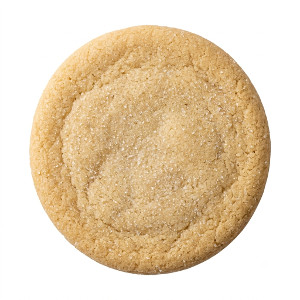 Sugaer Cookie
Sugaer Frosting
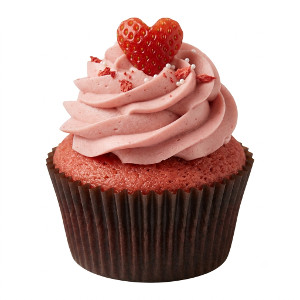 Strawberry Cupcake
Strawberry Frosting
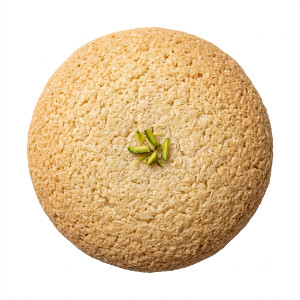 Persian Coconut Cookie
Coconut Frosting
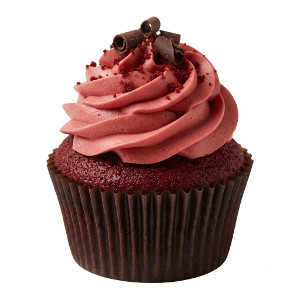 Red Velvet Cupcake
Red Velvet Frosting
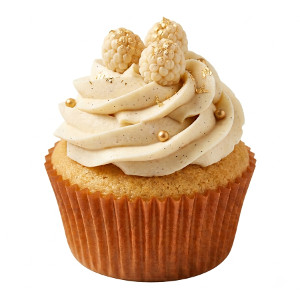 Vanilla Cupcake
Vanilla Frosting
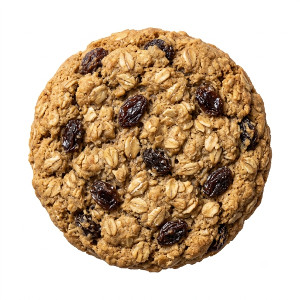 Oatmeal Raisin Cookie
With Frosting
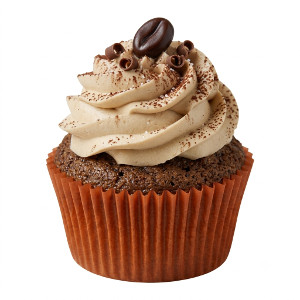 Mocha Cupcake
Mocha Frosting